Why Real-Time Load Tracking Is the Backbone of Modern Dispatch
Dispatching Has Changed More Than You Think
When I started in freight operations, tracking a load meant waiting for a phone call from a driver at a truck stop. If that call never came, you spent the morning dialing and hoping. The information, when it arrived, was already stale. That kind of uncertainty is baked into the industry’s old habits. But the freight market today punishes uncertainty hard. Shippers demand ETAs down to the minute, brokers juggle dozens of loads across multiple carriers, and a single missed update can cost thousands in detention fees or lost customer trust.
Real-time load tracking has shifted from a nice-to-have feature into a core operational requirement. It is not just about knowing where a truck is on a map. It is about having data that flows into every decision: which load to reassign when a driver runs out of hours, how to communicate a delay before the customer asks, when to trigger a backup plan. The teams that handle this well do not just react faster. They plan differently from the start.
The Gap Between Tracking and Acting
Most systems today can show you a dot moving along a highway. That is telematics, and it has been around for years. But real-time load tracking means something deeper. It means the position data is tied to the load itself, not just the truck. It means the system understands that a thirty-minute stop at a warehouse could push the delivery window past the cutoff, and it flags that before the driver even pulls away. It means the dispatcher does not have to cross-reference three screens to figure out which load is at risk.
I have watched teams try to build this themselves with spreadsheets, separate GPS portals, and Slack messages. It works for a while, until it does not. The problem is that manual updates fall behind exactly when you need them most. During a snowstorm or a port closure, every dispatcher is flooded with calls and texts. The tracking data that arrives late is the tracking data that leads to the wrong decision. Real-time load tracking, done properly, pushes alerts based on actual events, not human memory. It closes the gap between knowing something happened and doing something about it.
What Good Data Actually Looks Like in Dispatch
I have sat with dispatchers who manage sixty loads a day. They do not need a map with sixty dots. They need exceptions. They need a single view that tells them which loads are on track and which ones need attention right now. Real-time load tracking should feed that exception-based workflow. It should show the ETA drift before it becomes a missed appointment. It should surface a load that has been sitting at a pickup location longer than the shipper’s allowed window, because that is a detention claim waiting to happen.
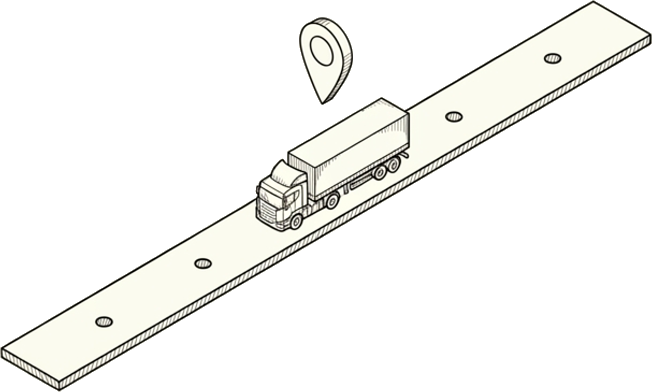
One practical example that sticks with me involved a carrier running produce from California to the Midwest. The load had tight delivery windows at three stops. The dispatcher relied on a system that updated position every fifteen minutes. On a normal day that was fine. But on this day the driver took a detour around construction, and the system never caught the delay until the driver was already an hour late to the first stop. By then the receiver had rejected the produce. That loss could have been avoided if the tracking system had flagged the route deviation and the resulting ETA change in real time. The technology to do that exists. The problem was the system was not built to connect position data to the load’s schedule and customer requirements.
How Real-Time Load Tracking Changes Workflow
Adopting real-time load tracking does not just add a feature. It changes how a dispatch team operates day to day. Here are a few shifts I have seen across different operations:
- Dispatchers stop calling drivers for status updates. The system tells them when a load is picked up, when it is in transit, and when it is approaching the delivery window. That frees hours per week for proactive work, like finding backhauls or negotiating rates.
- Customer service teams get live ETAs without asking operations. That reduces internal back-and-forth and gives the customer a single source of truth. When a delay happens, the customer hears about it from the broker or carrier, not from their own customer.
- Planners use historical transit data combined with real-time feeds to set more accurate appointment windows. Over time, this reduces wait times and detention costs because the schedule reflects reality, not guesswork.
These changes sound simple. But they require the tracking data to be clean, consistent, and tied to the load identifier from start to finish. That is where the system design matters more than the hardware.
The Role of Integration and Automation
Tracking hardware is cheap now. ELDs, mobile apps, and GPS units are everywhere. The hard part is integrating that data into the dispatch workflow so it drives action. I have seen carriers with excellent tracking hardware still running daily manual reconciliation reports because the telematics data never made it into their TMS. That defeats the purpose. Real-time load tracking needs to live inside the same system where the dispatcher books loads, assigns drivers, and sends rate confirmations. Otherwise it is just another tab to check.
When the tracking data is integrated, automation becomes possible. The system can automatically send an ETA update to the customer when the truck crosses a certain geographic fence. It can trigger a notification to the dispatcher if the truck has not moved for twenty minutes at a pickup location. It can recalculate the delivery window based on current traffic and hours-of-service remaining. All of this happens without anyone pushing a button. That is the difference between tracking that informs and tracking that acts.

One system that handles this integration well is the one developed by LuneTMS. Their focus on automating dispatch workflows means the real-time tracking is not an add-on module sitting off to the side. It is built into the core logic that assigns loads, checks driver availability, and updates customer portals. I have talked with users who said the biggest change after switching was not the map itself. It was that their dispatchers stopped spending the first hour of every shift manually updating statuses. The LuneTMS real-time load tracking feature fed those updates automatically, and the dispatchers could focus on the loads that actually needed human judgment.
Trade-offs and Practical Judgment
No system is magic. Real-time load tracking depends on connectivity, and connectivity is not perfect everywhere. Rural routes, mountain passes, and some intermodal yards still have dead zones where updates lag. A good system handles that by showing the last known position with a timestamp and a confidence indicator, not by showing a stale dot as if it were current. Dispatchers need to know when the data is fresh and when it is old so they can make the right call.
Another trade-off is information overload. If every small delay triggers an alert, dispatchers will tune out. The best implementations let the team define thresholds: a five-minute stop at a rest area is normal, a twenty-minute stop at a pickup location is not. Real-time load tracking should be configurable enough to match the specific patterns of each lane and customer. One-size-fits-all alerting creates noise, not clarity.
I also caution teams against treating real-time tracking as a replacement for communication. The data can tell you that a truck is stopped. It cannot tell you whether the driver is stuck in a weigh station queue or dealing with a breakdown. A good system integrates with messaging so the dispatcher can reach the driver instantly when the data raises a flag. The tracking and the communication must work together.
Where the Industry Is Heading
Demand for tighter visibility is not going to slow down. Shippers are building carrier scorecards that include tracking accuracy and update frequency. Brokers who can offer real-time visibility to their customers win more bids, even at slightly higher rates. Carriers who invest in real-time load tracking reduce their detention costs and improve their on-time performance. It is becoming a competitive necessity, not a differentiator.
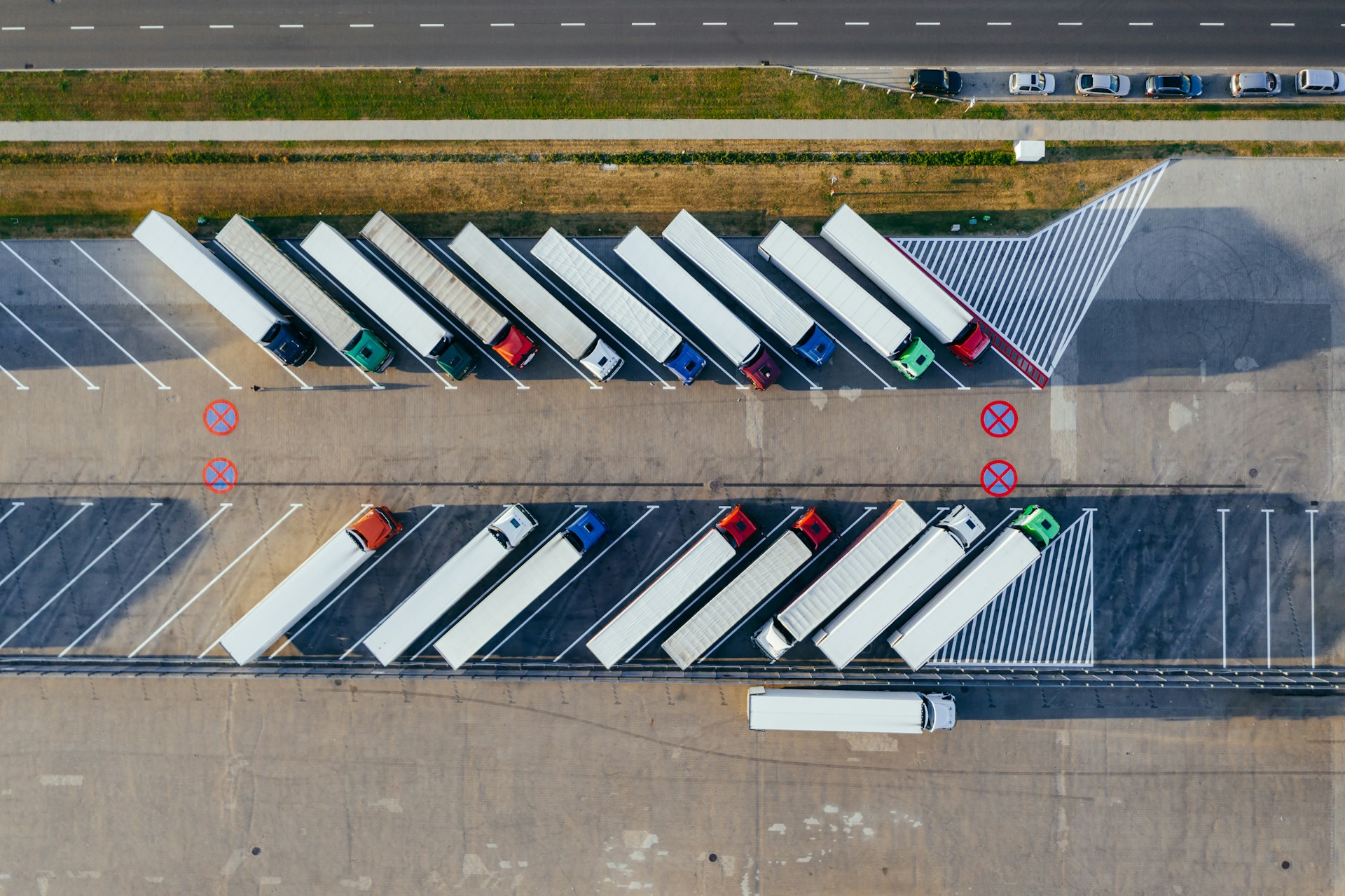
The systems that will lead are the ones that make this data useful without adding clicks and screens. LuneTMS real-time load tracking fits that direction. It is built to feed into automated dispatch decisions, not just to display a map. That kind of tight integration is what separates a tool that helps you manage exceptions from a tool that creates more exceptions for you to manage.
For anyone evaluating a TMS or upgrading their current setup, I recommend spending time on how the tracking data flows into the rest of your workflow. Ask whether the system can trigger actions based on tracking events. Ask whether the ETA updates are pushed to customers automatically or require a manual send. Ask whether the data from different hardware sources (ELDs, mobile apps, third-party telematics) merges into a single view per load. If the answers lean toward manual work and extra logins, the system is not delivering real-time load tracking in the sense that matters. It is delivering maps. And maps alone do not run a dispatch operation.
 LinkedIn
 Facebook
 Instagram
 YouTube
Ends · MYLUNETMSREALTIMELOADCORNER